Revitalize Your Home: Seasoned House Painters Reveal Tips and Tricks
Revitalizing a living space can significantly enhance its aesthetic value. Skilled house painters stress the significance of selecting an appropriate color palette that matches the home's architecture. Thorough preparation is critical to attaining a pristine finish. Furthermore, knowing effective application techniques serves a crucial role in the outcome. With the proper approach, anyone can create a stunning environment that reflects their personality. The journey doesn't end with paint; maintenance is equally important. What should homeowners be aware of about sustaining their efforts?
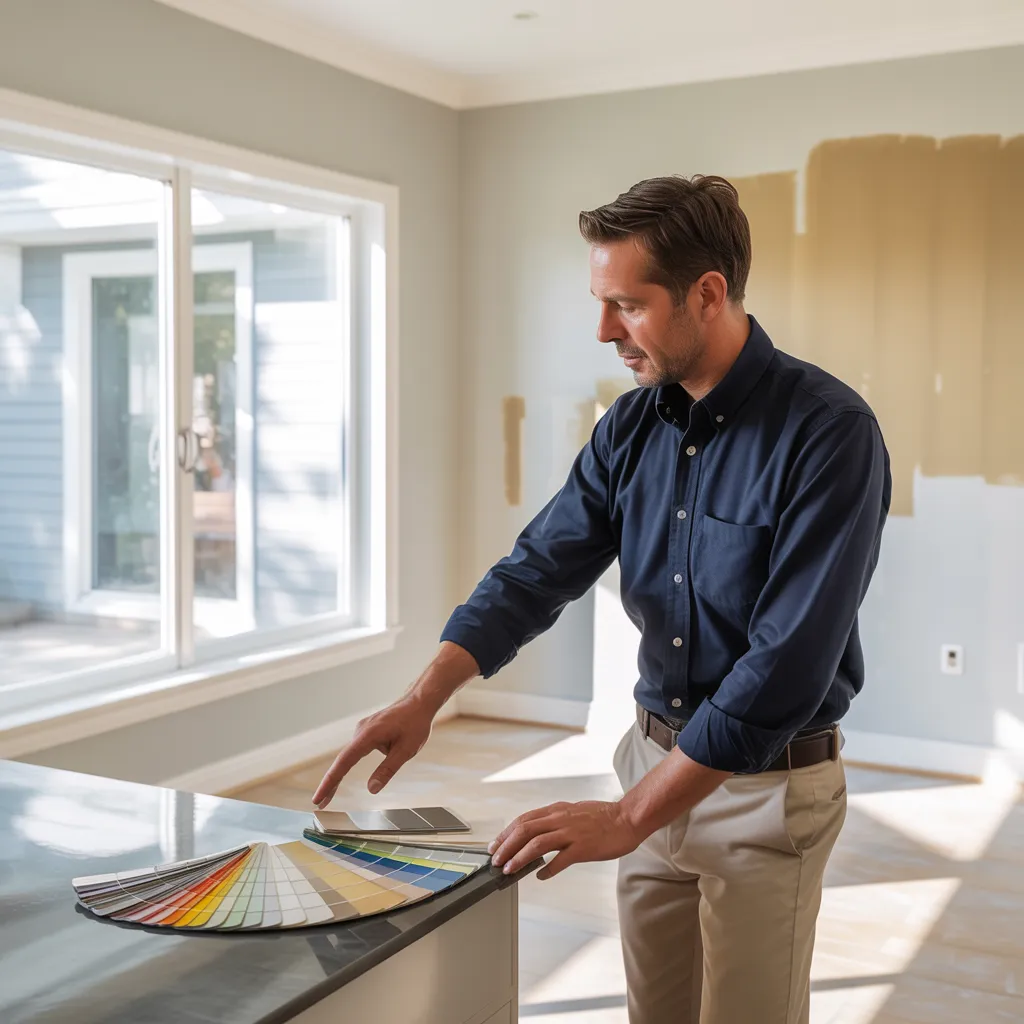
Selecting the Perfect Color Scheme
How can you choose the right color combination for a home? The process begins with recognizing the emotions and atmosphere that different colors evoke. Muted tones often create a relaxing environment, while bold hues can energize a space. Homeowners should consider the home's architecture and natural light; darker shades can work well in light-filled areas but could make tight, dim rooms feel cramped.
In addition, it is important to consider the flow between rooms. A consistent color scheme can improve the overall aesthetic and create a sense of unity. Implementing color swatches and testing them on walls can help see how the colors interact with furnishings and decor. Finally, personal preference plays a considerable role, as choosing shades that resonate with one's taste guarantees a comfortable and inviting space. By balancing these elements, one can effectively create a harmonious color palette tailored to individual needs.
Setting Up Your Space for Painting
Before initiating a painting project, it is crucial to ready the space meticulously to secure ideal results. This preparation encompasses several key steps. First, the area should be cleared of furniture and other items to avert damage and permit free movement. If removing large items is not feasible, covering them with drop cloths or plastic sheeting is advisable.
Next, all surfaces require cleaning to ascertain proper paint adhesion. Dirt, dust, and oil can impede the painting process, so a thorough cleaning of walls and trim is necessary. Moreover, any imperfections like holes or cracks should be filled with spackling compound or filler, then sanded smooth.
Finally, it is crucial to mask off edges where different surfaces come together, such as trim, windows, and door frames. This step will create clean lines and a professional finish, paving the way for a successful painting job.
Critical Resources and Materials
Once the space is prepared, assembling the correct tools and materials becomes essential for obtaining a perfect paint job. A high-quality paintbrush, usually angled for precision, is critical for cutting in around edges and corners. Rollers, with different nap lengths, are necessary for covering larger wall areas effectively. A solid paint tray assists in managing paint application and decreases mess.
Painters need to acquire painter's tape to protect trim and create clean lines. Drop cloths or plastic sheeting are essential for preserving floors and furniture from drips and spills. A ladder or step stool provides easy access to high spaces, while a paint stirrer assists in achieving an even consistency.
Finally, opting for premium paint ideal for the given surface and preferred finish is vital. By arming themselves with these vital tools and materials, painters establish the foundation for a quality and high-quality finish.
Perfecting Application Strategies
Learning application approaches is important for attaining a professional finish in house painting. Adequate surface preparation is the basis of a successful paint job. This includes cleaning, sanding, and priming surfaces to provide the best paint adhesion. Painters should use approaches such as brushing, rolling, and spraying, each fitted for different areas and finishes. For example, brushes are best for edges and detailed work, while rollers cover larger areas efficiently, and sprayers provide an even coat with minimal texture.
Additionally, understanding the right amount of paint to load on the painting tool is critical; too much can cause drips, while too little may lead to uneven coverage. The application needs to be smooth and consistent, using continuous, even strokes. Patience is essential, as rushing can undermine the final appearance. Observing drying times between coats also assists in achieving a flawless finish.
Tips for Achieving a High-Quality Finish
Attaining a professional finish in house painting requires careful attention to detail and adherence to best practices. To begin, selecting premium paint and tools is crucial; premium brushes and rollers can greatly influence the final outcome. Thorough surface preparation must not be neglected; cleaning, sanding, and priming surfaces ensure optimal paint adhesion. Painters should utilize even strokes and consistent pressure while applying paint, allowing for sufficient drying time between coats to prevent streaks or uneven textures.
Using painter's tape for sharp lines produces a clean separation between different colors, elevating the overall appearance. Additionally, keeping a wet edge during application prevents lap marks and encourages a uniform finish. Finally, reviewing the finished work under different lighting conditions allows for the identification of imperfections that may require touch-ups. By incorporating these strategies, individuals can accomplish a polished, professional look that transforms their space.
Typical Errors to Steer Clear Of
Despite having the best techniques for a professional finish, common mistakes can diminish the overall quality of a painting project. One frequent error is failing to perform proper surface preparation, such as cleaning, sanding, or priming, which can lead to poor adhesion and uneven coverage. In addition, using the wrong brush or roller can cause streaks or texture inconsistencies.
Another frequent mistake is failing to account for environmental conditions, especially humidity and temperature, which can impact drying times and paint application. Moving too quickly through the job may cause missed areas or poor drying between coats, compromising the final look.
Lastly, choosing the improper paint finish for a certain area can result in unwanted results, such as too much shine or challenges with cleaning. To attain a flawless finish, knowledge begin now of these common pitfalls is crucial for any home painting project.
Maintaining Your Freshly Painted Surfaces
Preserving freshly painted surfaces is critical for protecting their appearance and longevity. Setting up a regular cleaning schedule and utilizing gentle cleaning practices can help minimize damage. Moreover, avoiding harsh chemicals ensures that the integrity of the paint remains intact over time.
Systematic Cleaning Schedule
A consistent cleaning schedule is essential for safeguarding the appearance and longevity of new paint finishes. Consistent upkeep prevents the buildup of debris, dirt, and dust that can compromise the sheen and undermine the paint's condition. It is recommended to develop a routine that includes soft dusting and gentle cleaning every several weeks, using a tender cloth or sponge. For spaces susceptible to staining, such as kitchens or hallways, more frequent cleaning may be needed. Homeowners should concentrate on busy areas, where blemishes and marks can gather. By embracing this proactive approach, individuals can preserve their painted surfaces remain fresh and vibrant, enhancing the overall aesthetic of their living areas for the long term.
Avoid Strong Chemicals
Countless homeowners overlook the impact of harsh chemicals on newly painted surfaces. These substances can compromise the finish, causing discoloration, peeling, and premature wear. Specialists advise using gentle, pH-neutral cleaning solutions to maintain the integrity of the paint. Additionally, it is wise to avoid abrasive scrubbers, which can scrape the surface and lessen its appearance. Alternatively, tender fabrics or sponges should be employed for gentle cleaning. Homeowners should also be wary with products that contain bleach or ammonia, as these can react negatively with paint. By opting for safer alternatives, such as baking soda or vinegar mixtures, individuals can preserve their painted surfaces effectively while lengthening their lifespan and beauty. Adhering to these tips ensures a lasting, vibrant finish.
Questions and Answers
What Is the Total Drying Time for Paint?
Paint typically takes one to two hours to dry on the surface, however thorough curing can require multiple days to weeks, influenced by the kind of paint, humidity levels, and environmental temperature in the space.
Is It Possible to Paint Over Wallpaper or Old Paint?
While painting over wallpaper or old paint can be done, it requires proper preparation. Taking off loose wallpaper and sanding old paint ensures better adhesion. To achieve a smooth, long-lasting finish, primer may be necessary.
What Is the Best Time of Year to Paint?
The optimal period of year to paint is generally spring or early fall, when temperatures are moderate and humidity levels are lower. This provides optimal drying conditions and minimizes the risk of paint complications.
How Can I Determine Whether to DIY or Hire Professionals?
Selecting between DIY and contracting experts copyrights on expertise level, job complexity, schedule flexibility, and budget. Considering these elements allows individuals make educated decisions that suit their preferred results and overall satisfaction.
What Are the Environmental Impacts of House Painting?
House painting can lead to environmental impacts such as volatile organic compounds (VOCs) emissions, runoff-related water contamination, and container waste production. Selecting eco-friendly products can reduce these harmful impacts and support environmental sustainability.